


Blog
How to Remove Common Stains from Kids’ Clothes Safely

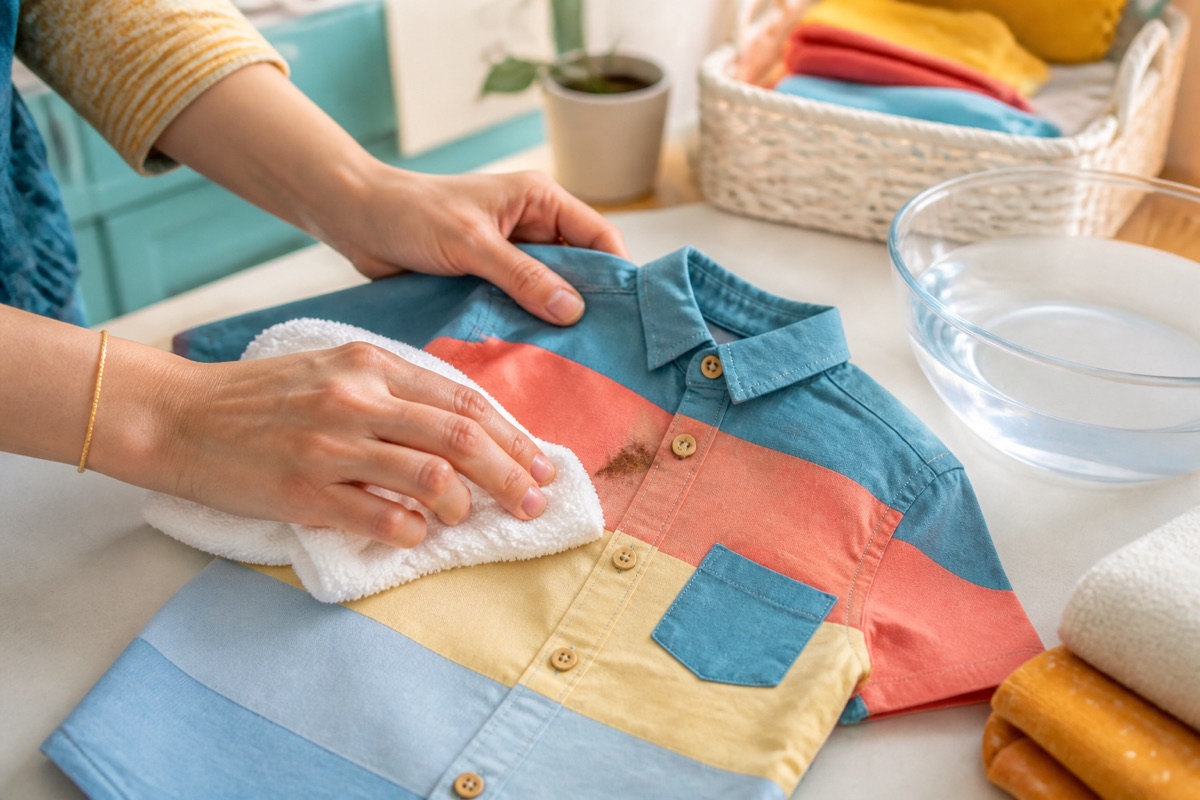
To remove stains from kids clothes without damaging the fabric, act quickly, check the care label and begin with the gentlest suitable method. A small stain rarely needs aggressive scrubbing or a strong chemical. Patient blotting, cool water and the right laundry product usually give the fabric a better chance of coming clean.
This is general garment-care guidance. Keep laundry products locked away from children, follow each product label and never mix cleaning chemicals.
Start with a three-step safety check
- Read the garment label. It may limit water temperature, bleaching, drying or professional cleaning.
- Test an unseen spot. Apply a tiny amount of the planned treatment inside a hem and check for colour change.
- Keep heat away at first. A dryer or hot iron can make some stains harder to remove. Air-dry until you know the mark is gone.
The University of Georgia Extension also advises reading the care label and testing cleaning agents on an inconspicuous area before treatment. Its textile-care guidance is a useful reference for stubborn stains.
Blot instead of rubbing
Lift away any solid material with a spoon or dull edge. Place a clean white towel beneath the stain, then blot from the outside toward the centre. Rubbing can push the mess deeper into fibres, spread the mark and roughen delicate fabric. Replace the towel section as it absorbs the stain.
Food, milk and juice stains
Rinse the back of the stain with cool running water so the residue moves out of the fabric rather than through it. Work a small amount of liquid laundry detergent into the area, allow the product’s labelled pretreatment time, then wash according to the care label. For brightly coloured juice or sauce, check the garment before drying and repeat a gentle treatment if colour remains.
Mud and grass marks
Let thick mud dry, then brush off as much as possible outdoors. Pretreat the remaining mark with laundry detergent and wash normally. Grass stains contain colour that can spread, so do not scrub them with a harsh brush. On a school uniform or embellished outfit, test first because dyes, prints and trims may react differently from the base fabric.
Oil and greasy food
Blot excess oil with a clean absorbent cloth. Apply a small amount of a laundry detergent formulated to cut grease, following its directions, then wash at the warmest temperature the garment label permits. Do not put the item in the dryer while a dark oily patch remains. Repeat the pretreatment rather than increasing the heat.
Ink, paint and craft stains
First identify the product if possible. Water-based washable paint usually responds to prompt rinsing and detergent, while permanent ink or dried paint may require a specialist product or professional cleaner. Avoid experimenting with several solvents. They can spread dye, damage prints and create unsafe fumes. Keep the product container so its cleanup instructions are available.
Blood and other protein stains
Use cool water first because heat can set protein stains. Rinse, apply detergent and wash according to the label. Wear disposable gloves when handling another person’s blood or bodily fluids, wash your hands afterwards and clean the work surface. Keep treated garments away from food-preparation areas.
What about bleach?
Only use bleach when both the garment’s care label and the bleach product allow it. A crossed-out triangle means do not bleach. Never mix chlorine bleach with ammonia, acids, vinegar or other cleaners; dangerous gases can form. Colour-safe does not mean safe for every print or trim, so a hidden-spot test still matters.
A family-friendly stain kit
- clean white cotton cloths;
- a soft laundry brush for sturdy fabrics;
- liquid laundry detergent;
- a dull spoon for lifting solids;
- disposable gloves; and
- a lidded basket placed out of children’s reach.
Keep the kit near the laundry area, not in a child’s bedroom or bathroom. Store every product in its original labelled container.
Protect clothes before stains happen
Choose washable play clothes for messy activities, use an art apron and treat marks before they enter the family laundry basket. Separating stained items also prevents unnoticed residue from transferring. Our guide to the best fabrics for children’s clothes can help you choose practical everyday pieces.
Frequently asked questions
Should I wash a stained item immediately?
Pretreat it promptly, but follow the product’s timing and the care label. Check that the stain has gone before machine drying.
Can I use hot water on every stain?
No. Hot water can set some stains and may shrink or fade a garment. Begin with the stain type and never exceed the label’s maximum temperature.
What if the stain remains after two attempts?
Stop escalating home treatments. A professional cleaner may be safer for delicate fabric, embroidery, formalwear or an unknown stain.
Once clean pieces are fully dry, return them to the right place using this simple system to organize kids’ clothes by size and season.

